


Why Early Detection of Material Degradation Saves Industrial Assets
- Feb 12
- 4 min read

Industrial assets are the backbone of modern manufacturing, energy production, and infrastructure. These assets, ranging from pipelines and storage tanks to heavy machinery and structural frameworks, are constantly exposed to physical, chemical, and environmental stressors. Over time, these stressors can lead to material degradation, which, if left undetected, can compromise safety, reduce operational efficiency, and result in costly repairs or replacements.
Preventive maintenance is essential in protecting industrial assets, but its effectiveness depends on timely detection of potential issues. Understanding how materials degrade and implementing strategies to identify early signs of deterioration is critical to sustaining long-term performance and safeguarding investments.
The Role of a Corrosion Monitor
One of the most effective tools for early detection is the corrosion monitor. These systems provide real-time insights into the condition of materials, alerting operators to the onset of corrosion or other forms of degradation before they become serious problems. By monitoring changes in thickness, chemical composition, or surface integrity, organizations can address vulnerabilities proactively, preventing failures that could disrupt operations or pose safety hazards.
Using a corrosion monitor enables industrial teams to move from reactive maintenance to a more predictive approach. Instead of waiting for visible damage or catastrophic failures, operators can implement targeted interventions based on accurate, data-driven assessments of asset health.
Understanding Material Degradation
Material degradation in industrial environments occurs through a combination of factors including corrosion, abrasion, thermal stress, and chemical attack. Metals are particularly susceptible to oxidation, galvanic corrosion, and pitting when exposed to moisture, chemicals, or high temperatures. Polymers and composites can degrade due to UV exposure, chemical contact, or mechanical wear.
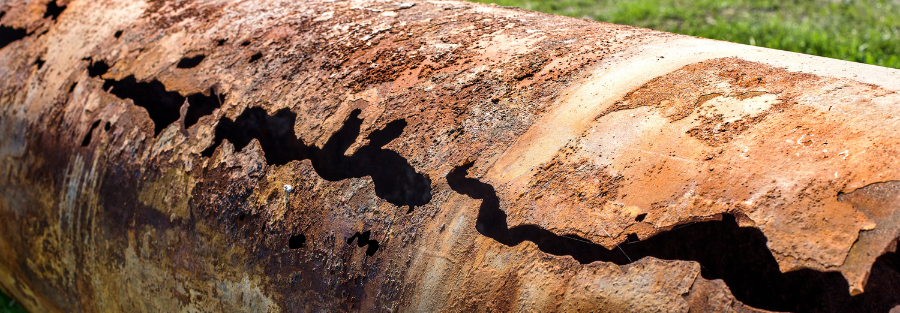
Identifying the early stages of degradation is challenging because surface-level signs may be subtle or hidden. Rust, discoloration, micro-cracks, or slight surface roughening may indicate the beginning of a more serious problem. Left unaddressed, these small issues can propagate rapidly, leading to structural weaknesses or operational failures.
Economic Impacts of Undetected Degradation
The financial consequences of ignoring material degradation are substantial. Industrial equipment is costly to replace, and unplanned downtime can disrupt production schedules, supply chains, and service delivery. In addition, safety incidents caused by structural failures or equipment malfunction can lead to fines, liability claims, and reputational damage.
Early detection through monitoring not only prevents catastrophic failures but also optimizes maintenance expenditures. By addressing only the components or areas at risk, companies avoid unnecessary replacement or repair of unaffected assets. This approach improves budgeting, extends asset life, and maximizes return on investment.
Safety and Operational Reliability
Industrial environments often involve hazardous materials, high pressures, or extreme temperatures. Material degradation under these conditions can pose significant risks to personnel, equipment, and the surrounding environment. Structural failures, leaks, or malfunctions can result in injuries, environmental contamination, or even catastrophic accidents.
Regular monitoring ensures that early signs of degradation are detected before they escalate. This proactive approach supports a culture of safety, where risks are managed continuously and operational reliability is maintained. Employees and management can make informed decisions based on data rather than assumptions, reducing the likelihood of unexpected incidents.
Maintenance Planning and Lifecycle Management
Monitoring material integrity plays a crucial role in maintenance planning and lifecycle management. Data gathered from sensors and monitoring systems can inform inspection schedules, maintenance priorities, and replacement timelines. By tracking degradation trends over time, organizations can anticipate when assets will require intervention and plan accordingly.
Lifecycle management benefits from this approach because it shifts maintenance from reactive to predictive. Assets are maintained at optimal intervals, preventing over-maintenance that wastes resources and under-maintenance that risks failure. Predictive insights also help allocate labor, materials, and budget more effectively.
Technological Solutions and Monitoring Strategies
Modern technology provides several methods for detecting material degradation. Non-destructive testing, ultrasonic thickness measurement, vibration analysis, and corrosion monitoring systems are among the most widely used techniques. These methods allow for continuous or periodic assessment of structural integrity without interrupting operations.
Integration of monitoring systems into industrial processes enhances visibility and control.
Real-time alerts and dashboards enable engineers to respond quickly, prioritize interventions, and verify the effectiveness of maintenance actions. Combining multiple monitoring approaches improves accuracy and ensures that no critical degradation is overlooked.
Environmental and Operational Considerations
The rate and type of material degradation depend heavily on environmental and operational conditions. Factors such as humidity, temperature fluctuations, chemical exposure, and mechanical stress accelerate wear and corrosion. Understanding these conditions allows operators to select appropriate materials, coatings, and monitoring strategies tailored to the specific environment.
For instance, a pipeline exposed to saline water will experience faster corrosion than one in a dry, controlled environment. In such cases, enhanced monitoring with corrosion sensors and frequent inspections is necessary to prevent unexpected failures.
Training and Organizational Awareness
Technology alone is not sufficient. Personnel must understand the importance of monitoring and know how to interpret the data provided by corrosion monitors and other assessment tools. Training ensures that operators can detect early warning signs, respond appropriately, and implement preventive measures.
Creating a culture of vigilance around material integrity encourages employees to report anomalies and participate actively in maintenance programs. When monitoring data is combined with trained personnel, industrial assets are better protected and operational performance is optimized.
Conclusion
Early detection of material degradation is essential for safeguarding industrial assets, ensuring operational reliability, and reducing maintenance costs. Tools such as a corrosion monitor provide real-time insights that enable predictive maintenance and proactive decision-making. By understanding degradation processes, implementing monitoring systems, and fostering organizational awareness, companies can extend the lifespan of assets, minimize risks, and maintain safe, efficient operations. Proactive monitoring and timely interventions are not just best practices—they are critical for sustaining the value and performance of industrial infrastructure.

Comments