


Beyond the Surface: Understanding the 5 Most Common Types of Industrial Corrosion
- Apr 20
- 3 min read

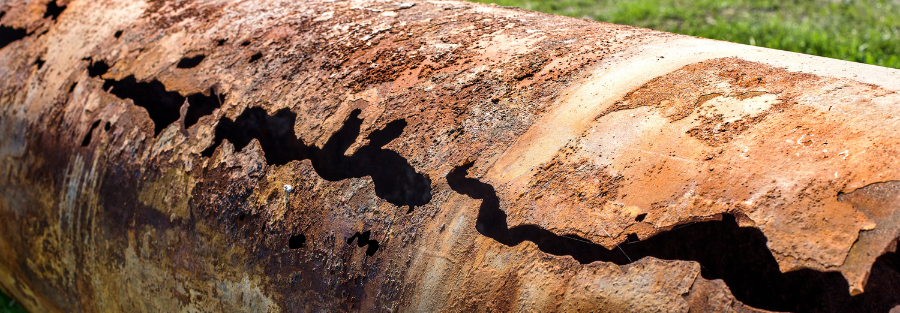
Corrosion is often described as a silent enemy—gradual, persistent, and costly. In industrial environments, it doesn’t just affect the appearance of materials; it compromises structural integrity, disrupts operations, and can lead to serious safety hazards. Understanding the different types of corrosion is the first step toward prevention and control.
In this post, we’ll explore the five most common types of industrial corrosion, how they occur, and why they matter.
1. Uniform Corrosion
Uniform corrosion is the most common and predictable form. It occurs evenly across the surface of a material, typically due to exposure to the environment—like moisture and oxygen.
Key Characteristics:
Even material loss over time
Easy to detect and monitor
Predictable lifespan reduction
Where It Occurs:
Steel structures, pipelines, and storage tanks are particularly susceptible, especially in outdoor or humid environments.
Why It Matters:
Although it progresses slowly, uniform corrosion can lead to significant material thinning if not addressed, ultimately weakening the structure.
2. Galvanic Corrosion
Galvanic corrosion occurs when two dissimilar metals come into electrical contact in the presence of an electrolyte (like water). One metal becomes the anode and corrodes faster, while the other acts as the cathode and is protected.
In many industrial setups, identifying risks early through corrosion testing methods helps engineers evaluate compatibility between metals and prevent galvanic reactions before they occur.
Key Characteristics:
Requires two different metals
Accelerated corrosion of the anodic metal
Depends on the electrochemical potential difference
Where It Occurs:
Common in piping systems, marine equipment, and fasteners where different metals are joined.
Why It Matters:
Improper material pairing can drastically shorten the lifespan of critical components.
3. Pitting Corrosion
Pitting corrosion is a localized form of corrosion that leads to the formation of small holes or “pits” in the material.
Key Characteristics:
Highly localized damage
Difficult to detect early
Can penetrate deeply with minimal surface evidence
Where It Occurs:
Stainless steel and aluminum exposed to chlorides (such as saltwater environments) are particularly vulnerable.
Why It Matters:
Despite appearing minor, pits can lead to sudden and catastrophic failures, especially in pressure vessels or pipelines.
4. Crevice Corrosion
Crevice corrosion occurs in confined spaces where stagnant fluid accumulates, such as under gaskets, seals, or deposits.
Key Characteristics:
Localized attack in shielded areas
Caused by differential oxygen levels
Often hidden from view
Where It Occurs:
Bolted joints, flanges, and areas beneath deposits or coatings.
Why It Matters:
Because it’s hidden, crevice corrosion can go unnoticed until significant damage has occurred.
5. Stress Corrosion Cracking (SCC)
Stress corrosion cracking is a dangerous combination of tensile stress and a corrosive environment, leading to the formation of cracks in the material.
Key Characteristics:
Requires both stress and a specific environment
Can occur without significant material loss
Leads to brittle failure
Where It Occurs:
Common in high-pressure systems, chemical processing plants, and pipelines.
Why It Matters:
SCC can cause sudden, unexpected failures—even in materials that appear otherwise intact.
Final Thoughts
Corrosion is more than just a maintenance issue—it’s a critical factor in industrial safety, reliability, and cost management. By understanding the different types of corrosion, industries can take targeted preventive measures, such as selecting appropriate materials, applying protective coatings, and implementing regular inspection routines.
The key is not just to react to corrosion, but to anticipate it. Because when it comes to corrosion, what you don’t see can hurt you the most.

Comments