


Key Components of an Effective Asset Integrity Management Program (AIM)
- Apr 15
- 3 min read
In today’s high-risk industrial environments—such as oil & gas, petrochemicals, power plants, and manufacturing—ensuring the safety, reliability, and performance of critical assets is non-negotiable. An Asset Integrity Management (AIM) program provides a structured approach to maintaining equipment and infrastructure throughout their lifecycle, minimizing failures and maximizing operational efficiency.
But what exactly makes an AIM program effective? Let’s break down the key components that form a robust and reliable system.
1. Risk-Based Inspection (RBI)
At the heart of any AIM program lies Risk-Based Inspection (RBI). Instead of inspecting all assets at fixed intervals, RBI prioritizes equipment based on risk—defined as the likelihood and consequence of failure.
Why it matters:
Focuses resources on high-risk assets
Reduces unnecessary inspections
Improves safety and compliance
By identifying critical equipment and failure modes, RBI ensures smarter decision-making and cost efficiency.
2. Asset Register and Data Management
An accurate and up-to-date asset register is the foundation of effective asset integrity management. It includes detailed information about each asset, such as:
Design specifications
Maintenance history
Inspection records
Operating conditions
Why it matters:Reliable data enables better analysis, forecasting, and informed maintenance planning. Without structured data, even the best AIM strategies can fail.
3. Inspection and Monitoring Programs
Regular inspection and condition monitoring are essential to detect early signs of degradation, corrosion, or damage.
Common techniques include:
Non-Destructive Testing (NDT)
Ultrasonic testing
Vibration analysis
Thermal imaging
Why it matters:Early detection prevents minor issues from escalating into major failures, reducing downtime and repair costs.
4. Maintenance Strategy (Preventive & Predictive)
A strong AIM program integrates both preventive and predictive maintenance strategies.
Preventive Maintenance: Scheduled servicing to avoid failures
Predictive Maintenance: Uses real-time data and analytics to predict failures before they occur.
Why it matters:This hybrid approach minimizes unplanned shutdowns and extends asset life while optimizing maintenance costs.
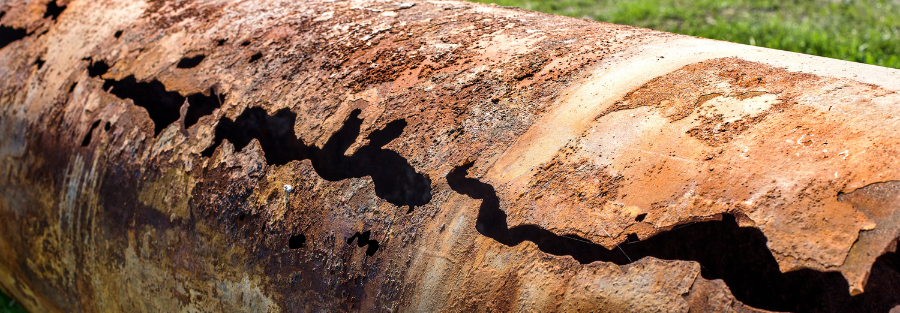
5. Corrosion Management
Corrosion is one of the leading causes of equipment failure in industrial environments. A dedicated corrosion management plan includes:
Material selection
Coating and cathodic protection
Corrosion monitoring systems
Why it matters:Effective corrosion control ensures structural integrity and reduces the risk of leaks, spills, and catastrophic failures.
6. Performance Monitoring and KPIs
Tracking performance through Key Performance Indicators (KPIs) helps evaluate the effectiveness of the AIM program.
Examples include:
Equipment uptime
Failure rates
Maintenance costs
Inspection compliance
Why it matters:Continuous monitoring allows organizations to identify gaps, improve processes, and align with operational goals.
7. Compliance and Regulatory Adherence
Industries must comply with strict safety and environmental regulations. An AIM program ensures adherence to standards such as:
API (American Petroleum Institute)
ISO standards
Local regulatory frameworks
Why it matters:Compliance not only avoids penalties but also ensures safe operations and builds stakeholder trust.
8. Digital Integration and Technology
Modern AIM programs leverage advanced technologies such as:
IoT sensors for real-time monitoring
AI and machine learning for predictive analytics
Digital twins for simulation and optimization
Why it matters:Digital transformation enhances visibility, improves decision-making, and drives efficiency across asset management processes.
9. Competency and Training
Even the best systems require skilled personnel. Regular training and competency development ensure that teams can effectively implement and manage AIM strategies.
Why it matters:Knowledgeable staff reduce human error, improve safety practices, and ensure proper execution of integrity programs.
10. Continuous Improvement and Feedback Loop
An effective AIM program is not static—it evolves. Continuous improvement involves:
Learning from failures and near-misses
Conducting structured failure investigation to identify root causes
Updating inspection and maintenance strategies
Incorporating new technologies
Why it matters:A feedback-driven approach ensures the program remains relevant, efficient, and aligned with changing operational demands.
Conclusion
An effective Asset Integrity Management (AIM) program is a combination of strategic planning, advanced technology, skilled personnel, and continuous improvement. By integrating these key components, organizations can:
Enhance safety
Reduce operational risks
Extend asset lifespan
Optimize maintenance costs
In an increasingly competitive and regulated industrial landscape, investing in a strong AIM program is not just a best practice—it’s a necessity.


Comments