


Unlocking the Power of Thermal Coatings: What They Are and Why They Matter
- Jan 27
- 2 min read

In today’s fast‑paced industrial world, materials are pushed to work harder, last longer, and perform better under extreme conditions. One key innovation helping industries meet these demands is thermal coating technology — a specialized surface protection solution designed to manage heat, reduce wear, and enhance durability across applications.
Whether you’re in manufacturing, aerospace, automotive, or energy sectors, understanding the value of thermal coatings could transform how your equipment performs.
What Are Thermal Coatings?
Thermal coatings are thin layers of engineered materials applied to a surface to control how that surface interacts with heat. Unlike general paints or surface treatments, these coatings are formulated to:
Withstand high temperatures
Reduce heat transfer
Improve resistance to oxidation and corrosion
Extend the lifespan of components
By applying thermal coatings to specific parts — such as engine components, exhaust systems, or furnace parts — businesses can significantly improve performance and reduce maintenance costs.
How Thermal Coatings Work
At the core, thermal coatings act as protective barriers. They may:
Reduce Heat Transfer
Certain thermal coatings are designed to slow down the flow of heat, which helps components retain or reject heat as needed. This is especially valuable in engines and turbines where temperature control boosts efficiency.
Protect Against Wear and Corrosion
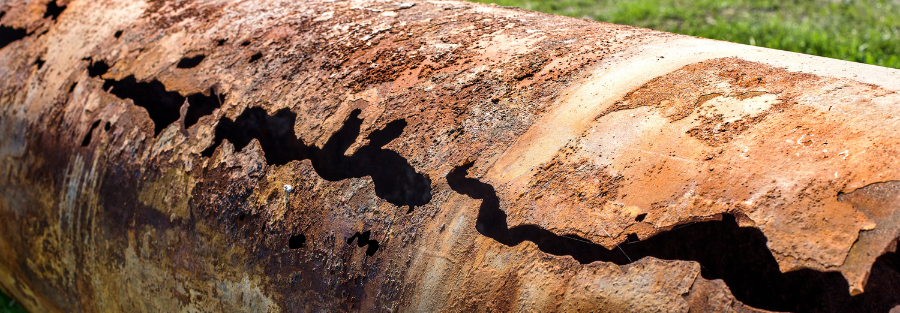
High temperatures often accelerate material degradation. Thermal coatings help shield metal surfaces from oxidation, chemical attack, and abrasive wear — preserving structural integrity. This is where industrial maintenance coating techniques play a crucial role, ensuring that machinery stays operational and durable in demanding environments.
Improve Operational Stability
By managing temperature fluctuations and surface stresses, thermal coatings help systems operate more reliably over extended periods.
Where Thermal Coatings Are Used
Thermal coatings are highly versatile. Common industries and applications include:
Automotive
Engine blocks
Exhaust parts
Turbochargers
Improve fuel efficiency and reduce thermal fatigue.
Aerospace
Turbine blades
Landing gear
Protect against extreme heat and cycling stresses.
Industrial Machinery
Furnaces
Heat exchangers
Pumps and valves
Increase uptime and lower lifecycle costs.
Energy
Gas turbines
Boilers
Enhance energy efficiency and resistance to harsh environments.
Key Benefits of Thermal Coatings
Investing in thermal coatings can deliver significant operational advantages:
Enhanced Performance
Improved heat control leads to smoother performance and less energy waste.
Lower Maintenance Costs
Extended component life means fewer replacements and reduced downtime.
Greater Efficiency
Heat‑resistant surfaces help systems perform closer to their optimal design.
Sustainability
By reducing energy loss and prolonging machinery life, thermal coatings support eco‑friendly operations.
Choosing the Right Thermal Coating
Not all coatings are created equal. The ideal solution depends on factors such as:
The operating temperature range
The type of substrate (metal or alloy)
The environment (corrosive, abrasive, oxidizing)
Desired thermal performance
Partnering with a specialist in surface engineering ensures you get the correct coating formulation and precise application techniques for your specific needs.
Final Thoughts
Thermal coatings are more than just protective layers — they’re performance enhancers. By safeguarding critical surfaces from heat and degradation, these coatings help industries push the boundaries of efficiency, durability, and reliability.
Whether you're upgrading existing equipment or specifying materials for new designs, understanding thermal coating technology can give you a competitive edge.

Comments