


How Professional Guidance Ensures Asset Longevity in Harsh Environments
- Jul 16, 2025
- 2 min read
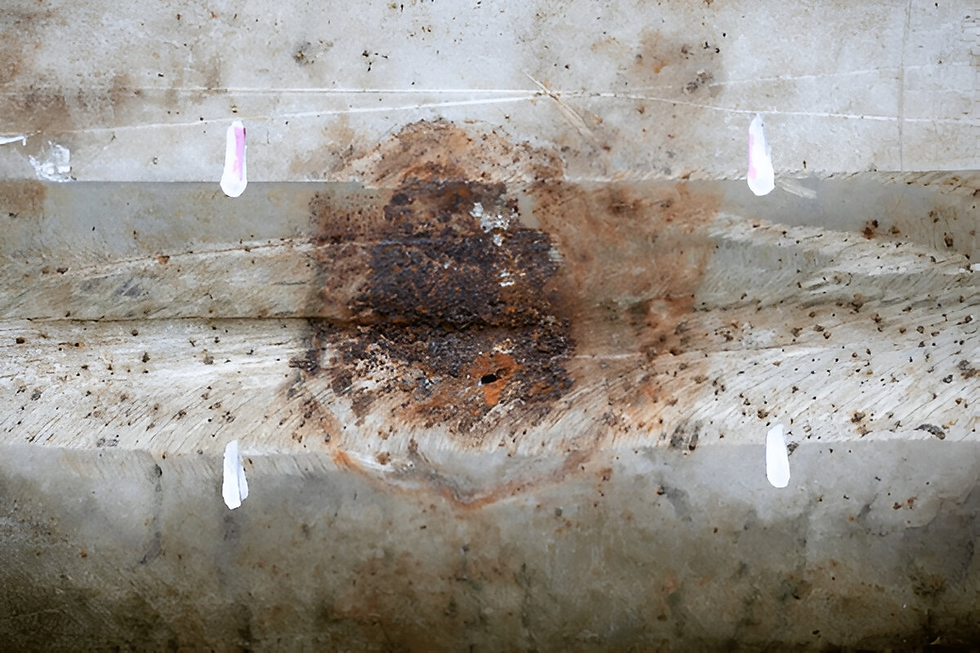
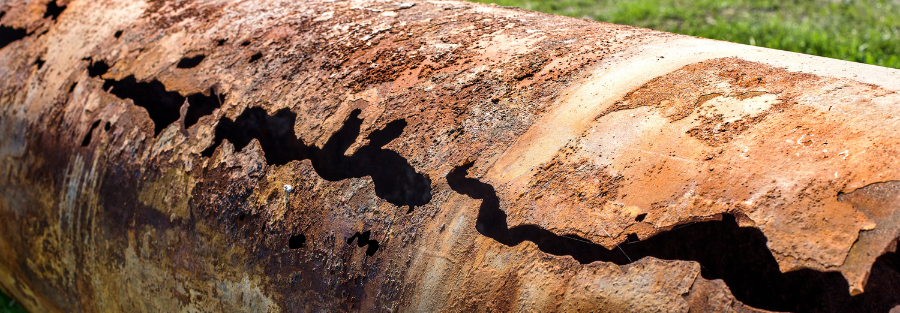
Corrosion may be invisible at first, but its impact is profound. It gradually deteriorates metal surfaces, leading to structural failure, safety hazards, and massive repair or replacement costs. Environments with high humidity, extreme temperatures, salinity, or industrial pollutants accelerate this degradation. Left unchecked, corrosion can compromise everything from oil pipelines and power plants to water treatment facilities and transportation networks.
Why Expert Support Makes All the Difference
Professional consultants in corrosion control and protection provide more than just advice—they deliver engineering-driven, results-based solutions. These experts analyze environmental conditions, material properties, and structural designs to recommend the most effective protective measures. Here’s how their involvement ensures long-term asset performance:
1. Customized Protection Strategies
Every asset and environment is unique. Experts assess factors like soil resistivity, humidity levels, chloride concentration, and metal composition before recommending protection systems. Whether it's cathodic protection, protective coatings, or material selection, their recommendations are grounded in science and real-world application.
2. Advanced Monitoring and Inspection
Consultants help implement advanced monitoring techniques such as potential measurements, current density analysis, and corrosion rate tracking. These tools enable asset owners to detect early signs of deterioration, allowing for timely intervention before major damage occurs. Partnering with a reputable Cathodic Protection Consultancy at this stage enables industries to eliminate uncertainty and implement reliable monitoring systems tailored to their specific operational requirements.
3. Compliance with Industry Standards
Corrosion protection isn’t just about best practices—it’s also about meeting safety and regulatory requirements. Professional guidance ensures compliance with global standards such as NACE, ISO, and ASTM. This not only enhances asset safety but also supports insurance claims, certifications, and audits.
4. Cost-Efficient Maintenance Planning
An expert’s role extends to lifecycle planning and budgeting. By identifying potential risks early, they help avoid expensive emergency repairs and downtime. This proactive approach saves both time and money while increasing return on investment (ROI).
5. Training and Knowledge Transfer
Consultants often provide training to in-house teams, equipping them with the skills to manage protection systems effectively. This builds internal capability while ensuring consistent monitoring and quick troubleshooting on the ground.
Real-World Impact: From Oil Rigs to Water Pipelines
In sectors like oil and gas, water treatment, marine construction, and transportation, the benefits of professional corrosion protection are clear. Offshore rigs, for instance, operate in one of the harshest environments imaginable—saltwater exposure, high winds, and constant moisture. Here, guided cathodic protection systems and robust monitoring protocols can significantly delay metal degradation and boost safety.
Similarly, underground water pipelines can suffer from stray current interference and acidic soil conditions. With expert analysis and tailored protection design, these assets can perform reliably for decades instead of years.
Final Thoughts
In harsh environments, asset survival isn't a matter of chance—it's a result of informed engineering. Professional guidance bridges the gap between environmental threats and long-term structural performance. By leveraging expertise in corrosion science and protection technologies, industries can safeguard their investments, protect human lives, and operate more sustainably.
When it comes to corrosion control, a preventive approach backed by expert insight isn’t just smart—it’s essential.

Comments